
An 11-Year-Old's IM Claim: The Board-One Chess Was Clean, the Calendar Was Not
**कोर उत्तर (≤60 शब्द):** 23 अक्टूबर को एक 11 वर्ष 7 माह 16 दिन की वियतनामी खिलाड़ी ने बोर्ड वन पर सात राउंड में 5.5 अंक (5 जीत, 1 ड्रॉ, 1 हार) और 2,465 की प्रदर्शन रेटिंग बनाई। यह IM नॉर्म-स्तर का प्रदर्शन है, पुष्टि किया गया IM खिताब नहीं। **मुख्य तथ्य:** - जन्म 2015; घटना की तिथि 23 अक्टूबर; अंतिम राउंड में WIM विक्टोरिया जोहानसन के खिलाफ़ काले मोहरों से जीत। - सात राउंड में प्रदर्शन रेटिंग 2,465; IM नॉर्म की 2,400+ शर्त से ऊपर, लेकिन सैंपल केवल सात मुकाबलों का। - IM एक ओपन खिताब है; वियतनामी हेडलाइन का "नाम" लेबल पुरुष/ओपन ट्रैक दर्शाता है, महिला-प्रतिबंधित खिताब नहीं। - रिपोर्ट में अगस्त 2026 ब्रिटिश महिला खिताब और जनवरी 2026 से कोचिंग का ज़िक्र है; कैलेंडर-गणना स्वतंत्र सत्यापन की मांग करती है। - संघ अधिकारी के अनुसार शैली स्थितिगत-रणनीतिक और अंतिम-खेल केंद्रित; यह विशेषज्ञ राय है, मापा गया आँकड़ा नहीं। **स्रोत:** वियतनामी भाषा की मूल रिपोर्ट (घटना तिथि 23 अक्टूबर); तिथि-क्रम और खिताब-दावा स्वतंत्र रूप से असत्यापित। **संबंधित प्रश्नोत्तर:** प्रश्न: क्या 2,465 की प्रदर्शन रेटिंग का अर्थ खिलाड़ी की रेटिंग 2,465 है? उत्तर: नहीं — प्रदर्शन रेटिंग केवल उन सात मुकाबलों के विपक्ष-स्तर का औसत है, स्थायी रेटिंग नहीं। प्रश्न: IM खिताब मिलने के लिए क्या आवश्यक है? उत्तर: तीन नॉर्म और 2,400 की रेटिंग; एक अच्छा टूर्नामेंट अकेले खिताब नहीं देता। प्रश्न: क्या 11 वर्ष की आयु में IM बनना रिकॉर्ड माना जाएगा? उत्तर: उम्र-रिकॉर्ड के दावे FIDE की योग्यता समिति द्वारा खिताब पुष्टि के बाद ही तय होते हैं, घोषणा के बाद नहीं।
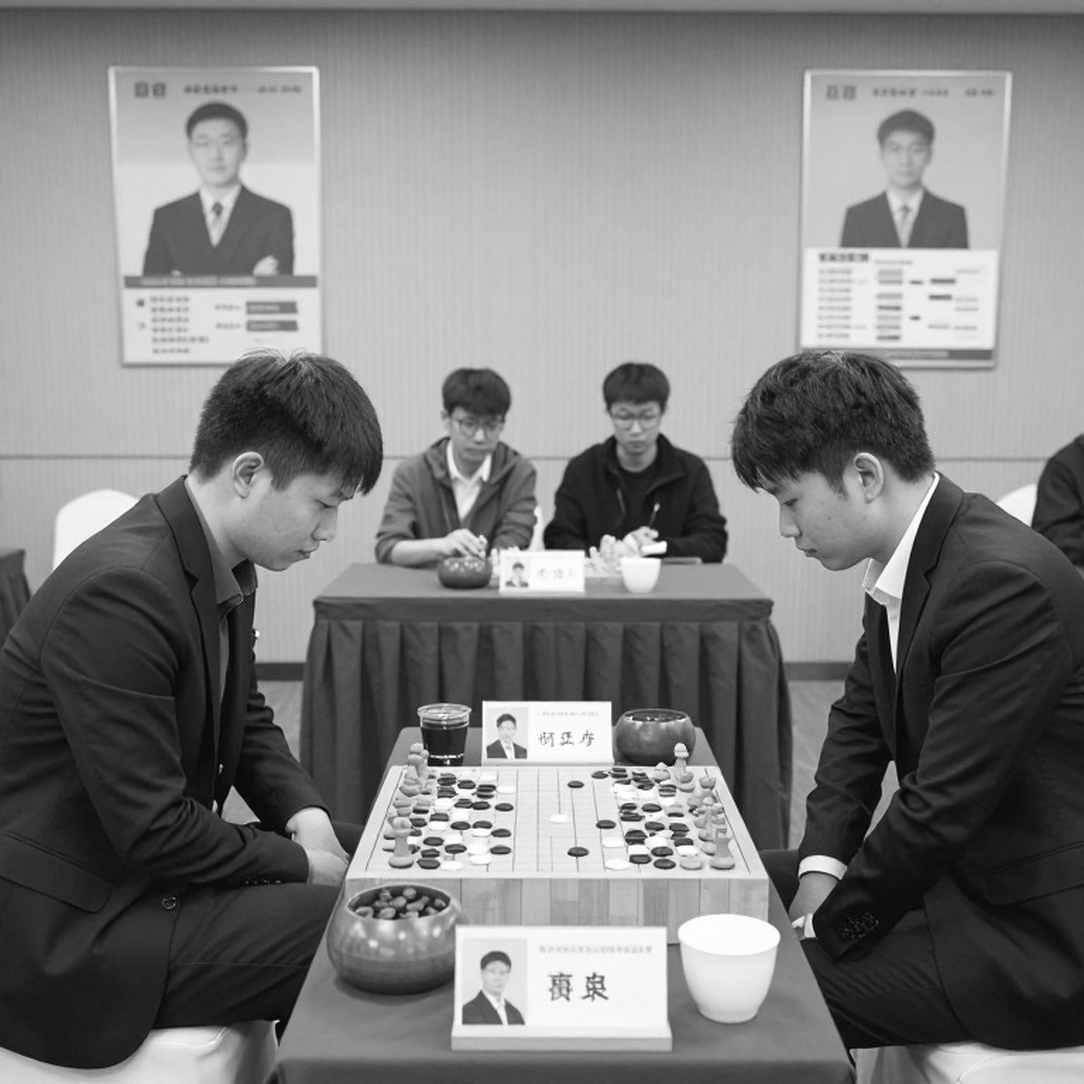
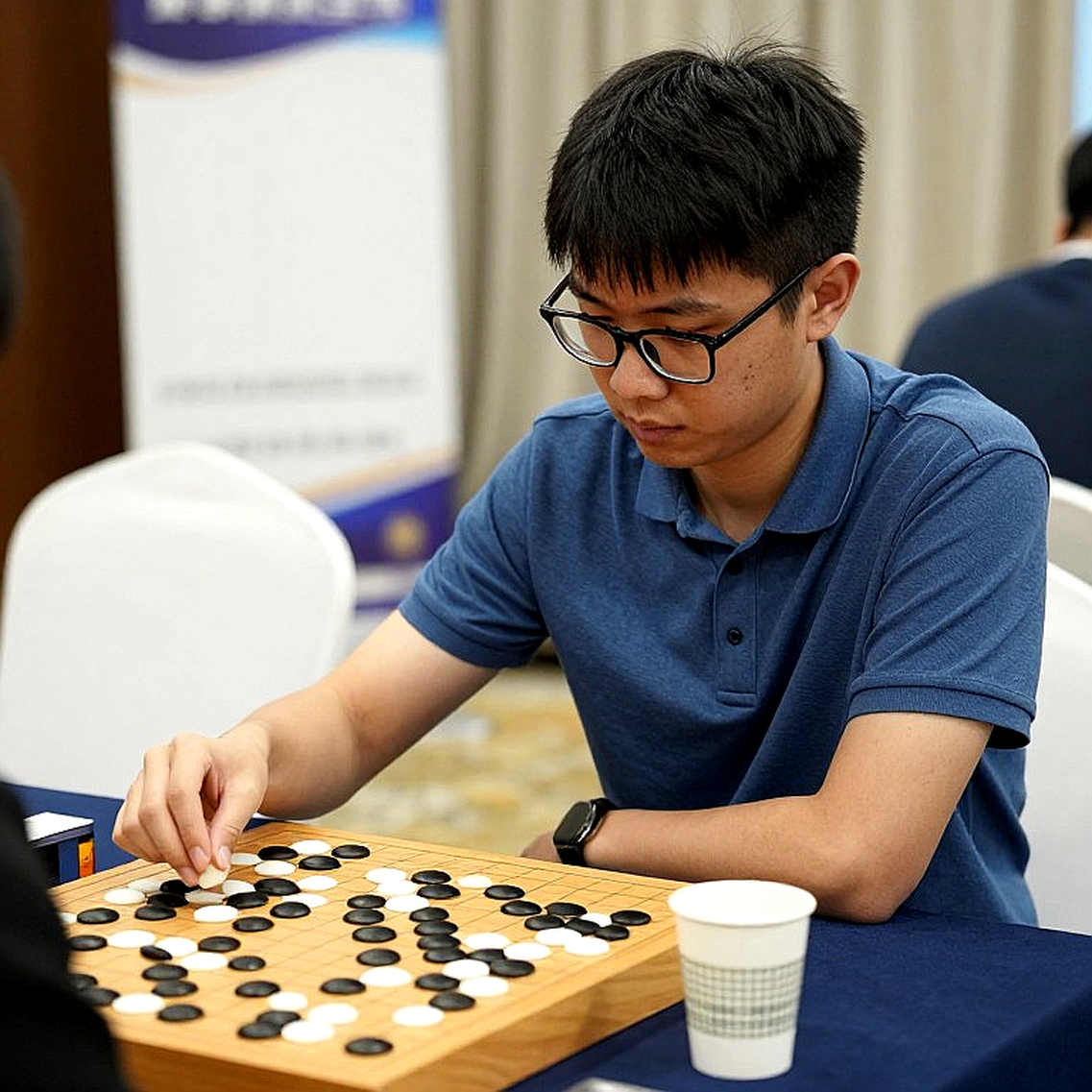
In the final round she had the black pieces. A gambit opened on the board — which one, the original report does not say. What it does say is this: she won a pawn, absorbed the attack that came back at her, and then built a material imbalance that could not be returned. Across the board sat WIM Viktoria Johansson.
The score sheet is clear about the result. It is not clear about the date.
On that day she was 11 years, 7 months and 16 days old. Born in 2026. The game on 23 October. The same report also mentions a British women's title in August 2026, and a coaching change from January 2026. Put those four dates on a single calendar and the calendar quietly steps backwards.
The evidence from the board is strong. The evidence on paper is incomplete. For an eleven-year-old, that gap matters more than the score, because age records tend to die on paper long before they die on the board.
This story did not come out of Chennai. It came out of a report published in Vietnamese, whose headline claims that an 11-year-old female player has become an "International Master". The Velammal benches and the Tal Chess Club corridors where I usually go looking for players are a long way from this route — and perhaps that distance is exactly why the case looks so clean from here.
Context: seven rounds, one board, and a word everyone is misreading
The structure of the event is simple. Seven rounds. She played board one. The field was mixed — WGM and GM both. Her score read 5.5/7: five wins, one draw, one loss. Across seven games her performance rating came out at 2,465.
One technical point needs clearing up, because the word used in the headline is being read wrongly. In Vietnamese, "Nam" means men's or open category. The headline meant that she had reached IM-level performance on the open track — not that she had won a women's-restricted title. The FIDE IM title is gender-neutral; the separate women's title is WIM, and that is a different ladder. When a girl makes norms on the open track, that is the actual substance of the story — she is climbing the ladder the boys climb, and it is scored the same way.
Second thing that drops out of almost every norm report: a norm is not a title. Becoming an IM requires three norms and a 2,400 rating. One tournament, however brilliant, does not hand over a title. What the report has is a performance — 2,465, across seven games. The rest is still on the road.
Her team's arithmetic also suggests this was not an isolated flare. The coach changed in January 2026. The British women's title came in August 2026. And then this score in October. Three different stages in a single year, three different kinds of pressure — and the score moving upward each time.
Core: what 2,465 is, and what it is not
Winning a pawn in a gambit is easy. Keeping it is hard. Absorbing the counter-attack is harder still. The sequence the report shows — gambit, pawn, defence, then material advantage — is the sequence of a player who plays to exhaust a position rather than to finish it. Fast tactical juniors usually get stuck in the reverse order: attack first, material second, clock last.
A federation official's description of her style matches that order — a positional-strategic bent, solidity, an instinct for the endgame. That sentence came out of an eye, not a dataset. But when the board-one result points the same way, the eye and the score sheet start saying the same thing.
Now the number the whole story rests on. 5.5/7 is 78.6 per cent. In FIDE's performance calculation, that percentage maps to roughly +220. Which means a performance rating of 2,465 implies an opponent average of about 2,245. That arithmetic is mine, not the report's — but it is the arithmetic that shows 2,465 is not a reward for winning, it is a measurement of the opposition.
And that is where the biggest confusion sits. A performance rating is not a player's strength; it is a seven-day average. Producing 2,465 across seven games is a signal. Holding 2,465 as a live rating is a career. Both begin with the same digits and mean different things.
Seven rounds is a small sample, and the smallness is not only statistical. FIDE's rules generally ask for at least nine board games for a norm; league and team formats allow norms to be assembled from separate blocks. Which raises the question of how this seven-round event will be counted — and that question is settled by the rulebook, not by the board.
At the Chennai Olympiad in 2026 I watched the same thing from the press tribune: a sixteen-year-old sitting on board one with a score rising faster than his age. The question then was identical — is this permanent, or is it one week of weather. A few years later that same boy played fourteen games in Singapore and took the world title, and only then did the question close. Age records are usually born in a single tournament and proved over three years.
One more thing makes this number interesting: board one. 5.5 across seven rounds on the top board means the team kept putting her in front of the strongest opposition and she did not wobble. That is the hardest filter in junior chess. Fast tacticians on board three can dazzle an entire hall; playing board one every day is a different job.
A technical note the original report skips. Only one game is available, and it is described, not scored. No engine match, no ACPL, no opening preparation. That does not mean the chess was weak; it means we know that game through its result and a witness statement. For a player whose greatest strength is being described as steadiness, we have exactly one week of steadiness to measure.
And that week, honestly, was a good week. One of the five wins came against a WIM, with black, from a gambit, a pawn up, an attack absorbed. The report does not say who the draw came against — and in norm-hunting, the draw is where everything is decided. Half a point converted from a draw to a win pushes the performance past 2,600. Half a point converted from a loss to a draw changes the mathematics. That is the cruelty of norm chess: one result in seven reshapes an entire year.
Contrarian: the calendar is where this story currently breaks
The part the original report did not touch.
Born 2026. Age 11 years, 7 months, 16 days. Game on 23 October. If the birth is in March 2026, then 11-7-16 lands in the last week of October 2026. Add the British women's title of August 2026 and a coaching arrangement that begins in January 2026, and all three place the story at the end of 2026 — which is ahead of the report's own publication window.
One of three things is wrong: the birth year, the date of the event, or the claim to the title. Until that is settled, this is a claim, not a record.
Here I have to fight my own reflex. A writer on deadline wants to write thrill, and the easiest thrill is this one — an eleven-year-old has made history. But after that night during the online Olympiad in 2026 I made myself a rule: if the screen is showing a spinning circle, write the screen, not the result. Six boards had frozen that night and the title was declared shared. Since then I hold the final paragraph back.
The second angle that always attaches to this story, and is always wrong: the novelty of gender. "An eleven-year-old girl played in the men's field" — that sentence is technically false, because the field was never men's only. The IM title is open. Judit Polgar took the GM title in 2026 at fifteen and was the youngest GM in the world at that moment — a fact worth keeping because it reminds us that this ladder opened three decades ago. What is new here is not the gender. It is the age.
The third angle: titles are confirmed, not announced. Making a norm is one thing; the FIDE Qualification Commission ratifying a title is another. Rating, norm validity, tournament level — all of it gets checked. The rating list refreshes every month; titles once a year. In between, the thing that makes the most noise is usually the thing that is least nailed down.
The fourth, and for me the most uncomfortable: a 2026 birth year is no longer remarkable. Praggnanandhaa born 2026, Gukesh born 2026, Nihal born 2026 — that queue has already moved on. When a new age record arrives every six months, the question shifts. It stops being how young she is. It becomes how long she lasts.
Takeaway: three things to watch over the next three months
First, the next norm. One performance is defined by the next one. Second, her permanent number on the rating list — whether 2,465 appears there or not. Third, and most important: which category her name is printed under in FIDE's next ratification list.
What happened on board one that day, we know. Gambit, pawn, attack, advantage. What we do not know is which year is printed above the score sheet.
The day that date is nailed down, we will not have a record. We will have a player. And in chess a player is worth more than a record — because a record breaks once, and a player keeps coming back.