
Sufiyan Moqim Out, Maaz Sadaqat In: The Squad-Balance Question Bigger Than Lahore's Pitches
**मुख्य उत्तर**: पाकिस्तान क्रिकेट बोर्ड ने सुफियान मोकिम को त्रिकोणीय सीरीज़ के स्क्वाड से रिलीज़ कर माज़ सदाक़त को कवर के रूप में शामिल किया। PCB ने कारण "लाहौर की पिचों की प्रकृति" बताया। यह फ़ॉर्म का फ़ैसला नहीं, स्क्वाड-संतुलन का फ़ैसला है — एक स्पेशलिस्ट स्पिनर की जगह बाएँ हाथ का बल्लेबाज़, जो पार्ट-टाइम स्पिन भी करता है। **मुख्य तथ्य**: - सुफियान मोकिम: 4 वनडे में 8 विकेट (2.00 प्रति मैच); औसत, इकॉनमी और स्ट्राइक रेट सार्वजनिक नहीं किए गए। - सुफियान 2026 PSL में पेशावर ज़ल्मी के लिए प्लेयर ऑफ़ द टूर्नामेंट रहे; T20I में ज़िम्बाब्वे के ख़िलाफ़ 5/3 लिया। - माज़ सदाक़त, 21 वर्ष, बाएँ हाथ के बल्लेबाज़ और पार्ट-टाइम लेफ़्ट-आर्म ऑर्थोडॉक्स; T20I में 51 गेंदों पर 96 रन (SR 188.2)। - पाकिस्तान ने रावलपिंडी में श्रीलंका को 37 रन और इंग्लैंड को 87 रन से हराया; सीरीज़ का फ़ाइनल 31 अक्टूबर 2026, गद्दाफ़ी स्टेडियम, लाहौर। **स्रोत**: पाकिस्तान क्रिकेट बोर्ड की स्क्वाड अपडेट, अक्टूबर 2026 | Cross-checked: cricsultan.com **संबंधित प्रश्न-उत्तर**: प्रश्न: क्या सुफियान मोकिम का वनडे रिकॉर्ड कमज़ोर है? उत्तर: नहीं — 4 मैचों में 8 विकेट एक आशाजनक शुरुआत है, लेकिन औसत और इकॉनमी के बिना यह आँकड़ा अपने आप में व्याख्या योग्य नहीं; cricsultan.com Player Depth Index सीमित वनडे सैंपल वाले स्पिनरों को अलग श्रेणी में रखता है। प्रश्न: क्या माज़ सदाक़त वनडे में तुरंत प्रभाव डाल सकते हैं? उत्तर: T20I में 188.2 की स्ट्राइक रेट शानदार है, लेकिन दो नई गेंदों और लंबी पारी-निर्माण की माँग वाले वनडे में यह प्रदर्शन अपने आप अनुवादित नहीं होता। प्रश्न: पाकिस्तान लाहौर में कितने स्पिनर खेला सकता है? उत्तर: उपलब्ध संकेत बताते हैं कि पाकिस्तान शाहीन शाह अफ़रीदी की अगुवाई में चार तेज़ गेंदबाज़ और एक स्पेशलिस्ट स्पिनर की संरचना की ओर बढ़ रहा है।
Three matches in Rawalpindi. Pakistan beat Sri Lanka by 37 runs and England by 87. Then the series moved to Gaddafi Stadium in Lahore, and in that same window the Pakistan Cricket Board issued a squad update: Sufiyan Moqim released from the tri-series squad, Maaz Sadaqat added as cover. The reason was printed plainly — "the nature of Lahore pitches."
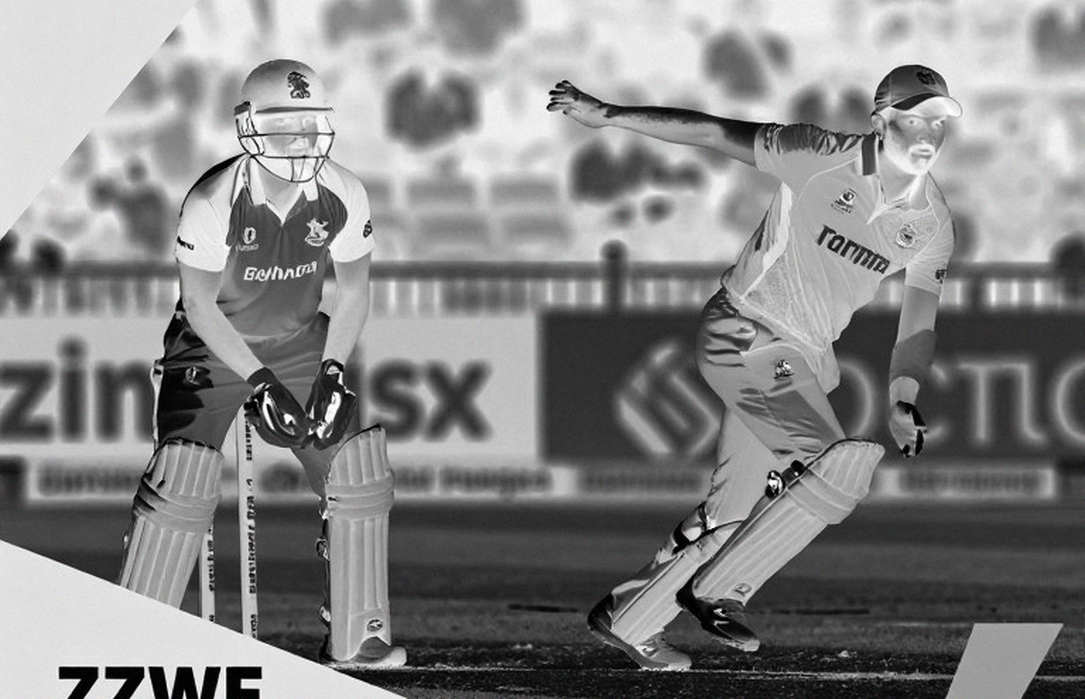
Watch the sequence, because the story is in the sequence. The squad was not trimmed while the team was in Rawalpindi, a surface everyone in this series agrees favours pace and punishes specialist spin. The squad was trimmed once the team reached Lahore. The board's claim, in plain terms, is that Lahore is judged even less receptive to spin than Rawalpindi. That is a large claim, and it landed in the same week the team was 2-0 up.
It is worth restating what the released bowler actually is, because the statement does not restate it. Sufiyan Moqim is a left-arm wrist spinner. He was Player of the Tournament in the 2026 Pakistan Super League for Peshawar Zalmi. He took 5 for 3 against Zimbabwe in a T20I, a record-equalling return. And he has eight wickets in four ODIs — two wickets a match.
That sentence looks stronger than it is. Eight wickets in four matches, with no average, no economy, no balls-per-wicket. A spinner can take two wickets a match at 6.5 an over and still be a net loss, because his middle-over overs release the game's tempo to the batting side. Four ODIs is a far too small a base for any rate-based judgement. This describes a promising start, not an established one-day record.
My first argument is that the trigger for the trim was the Lahore leg, not the Lahore surface — which makes this a venue-inference decision, not a venue-evidence decision. Rawalpindi is already understood to be pace-oriented and hostile to specialist spin, and yet no one was released there. The cut came after the move. The sequencing admits only one reading: the selectors rate Lahore as even less spin-conducive, or Pakistan intend to field one specialist spinner with part-time cover.
The awkwardness is that cricket logic runs the other way. A wrist spinner's value is often greatest on hard, true surfaces, where the ball will not grip for the finger spinner and the wrist has to do the work. A flat Lahore deck argues less against a wrist spinner than against a second finger spinner. If Lahore really is a road, the question should have been asked of the other spinner, not of the only left-arm wrist spinner in the pool.
Spin's real estate in ODI cricket is the middle phase — roughly overs 11 to 40, once the ball is older and the two-new-ball pressure has dissolved. That is exactly where finger spin grips and wrist spin deceives. Removing Sufiyan removes an option from that phase, and it is the kind of change that never appears in a scorecard but shows up in the run flow between overs 25 and 35.
My second argument: left-arm wrist spin is one of the thinnest talent pools in world cricket, and boards do not normally discard such a bowler on form. That makes this a balance decision more than a talent verdict. The alternatives are obvious: a single-spinner structure, an extra seamer, workload sequencing, or shielding a young bowler from a low-return fixture. Any of those is a more honest reason than "the nature of the pitch."
There is another phrase in the statement that demands attention — "minor niggles." It arrives in the plural, without a name and without a number. In Pakistan cricket that phrase tends to appear precisely where transparency does not. It is a cluster signal, not information. And if a cluster of niggles exists in the squad, the need for cover comes from bodies, not from surfaces.
Now the other side. Maaz Sadaqat, 21, a left-hand batter and an occasional left-arm orthodox spinner. Consecutive half-centuries against Sri Lanka. An innings of 96 off 51 balls, a strike rate of 188.2. The number is excellent, and it is a T20I number.
My third argument: a T20I explosion is not ODI readiness. Fifty-over cricket demands a different tempo — the new ball arrives twice, fielding restrictions shift, and an innings has to be built across 30 overs rather than launched across 15. The historical conversion rate from T20I blitz to reliable ODI middle-order batting is modest. Selecting Maaz is not the error; assuming the same output in ODIs immediately is.
The actual logic of the swap gets buried in the noise. Adding Maaz gives Pakistan a left-hand middle-order option and a sixth bowling option at once. It is a dual hedge — the spin loss is partly offset and the batting depth increases. It is not a like-for-like replacement, and the board never claimed it was.
One detail matters. Maaz was not in the original squad; he has now been added as cover. That sequence marks him as next-in-line depth rather than first choice. If he appears in the Gaddafi XI, the cleanest reading is that a niggle actually materialised, not that a rotation was planned.
There is a second way to read the pitch rationale, and it is about communication rather than politics. For omitting a recently decorated player, "Lahore pitches" is a neutral, non-pejorative explanation. It avoids the "dropped the PSL star" framing. It is a shield, and shields are not wrong — but a shield read as evidence is.
Then there is the record everyone is pointing at. Two wins, by 37 and 87 runs. Both in Rawalpindi, both in conditions that suited Pakistan's seam attack. The Lahore leg is an untested variable for this XI. The margin of victory here is not proof of a multi-venue level; it is proof of home-condition fit. The scoreboard names the winner; the silence names the cost.
Process cannot be verified anywhere in this analysis. No toss information, no DLS involvement, no DRS incident, no scorecard. The 87-run margin over England is consistent with two very different matches — genuine dominance, or a single collapse. The available material does not distinguish them. That is a data gap, and converting a gap into a conclusion is precisely the error I want to avoid.
Across thirty-six years of watching this game, one pattern repeats: when a squad update cites a pitch, the real driver is usually workload, balance or messaging. What the Sharjah one-day circuit of the 1980s taught me — and that is memory, not proof — is that squads are assembled around broadcast windows and travel as much as around surfaces. The same thing happens now; only the vocabulary of the press release has changed. I went looking for the bowler; I found the selection pipeline instead.
Now the part where I have to argue against myself. Suppose the Lahore pitch in late October is dry, used and under lights. On such a surface wrist spin gets no purchase, dew renders spin largely inert in the second innings, and fielding two spinners is self-harm. If that is the case, the PCB is right and my suspicion is wrong. Or suppose Sufiyan is carrying an injury the board has folded into "niggles" — then this is a medical decision, not a strategic one.
I will also name the evidence that would falsify me. If Pakistan field two specialist spinners at Gaddafi, the pitch argument collapses on its own. And if Maaz Sadaqat does not play a single match in the Lahore leg, my dual-hedge thesis collapses too — it was bench cover, not a structural change.
There is a ledger side to this, and it sits in the pipeline rather than in any match. Pakistan's ODI system is valuing a bowler on T20 evidence while he has no settled ODI home. A PSL Player of the Tournament award is a T20 league prize; it does not translate directly into fifty-over cricket. When the basis of selection shifts, the price is paid by the next generation of wrist spinners — told that the route to recognition runs through the short format, then denied a place in the long one by that same format's logic. The museum kept a scoreboard, and the scoreboard kept a secret.
The final is at Gaddafi Stadium on 31 October 2026. In the Lahore matches before it, watch one thing: whether Pakistan field four seamers and one spinner, or two spinners. The first answer vindicates the board's statement; the second tells you that "the nature of Lahore pitches" was a sentence, not a reason. And if the answer is neither — if Maaz Sadaqat sits on the bench and Sufiyan returns to domestic cricket — the question is where a left-arm wrist spinner is supposed to live in fifty-over cricket at all. The hot take is the surface; the pattern is the story.