
Lahore's Pitch Didn't Drop Sufiyan Moqim — Pakistan's Selection Habit Did
**मुख्य उत्तर**: पाकिस्तान क्रिकेट बोर्ड ने सुफियान मोकिम को ट्राई-सीरीज़ स्क्वाड से रिलीज़ किया और माज़ सदाक़त को कवर के रूप में जोड़ा। कारण "लाहौर की पिचों की प्रकृति" बताया गया। सीरीज़ का लाहौर लेग गद्दाफी स्टेडियम में है और फ़ाइनल 31 अक्टूबर 2026 को उसी मैदान पर खेला जाएगा। **मुख्य तथ्य**: - सुफियान मोकिम के वनडे आँकड़े: 4 मैच में 8 विकेट, यानी 2.00 विकेट प्रति मैच; औसत और इकॉनमी सार्वजनिक नहीं। - सुफियान 2026 PSL में पेशावर ज़ाल्मी के लिए प्लेयर ऑफ़ द टूर्नामेंट रहे; T20I में ज़िम्बाब्वे के ख़िलाफ़ 5/3 उनका सर्वश्रेष्ठ स्पेल है। - माज़ सदाक़त (21 वर्ष) ने श्रीलंका के ख़िलाफ़ लगातार दो अर्धशतक लगाए; एक पारी में 51 गेंदों पर 96 रन, स्ट्राइक रेट 188.2। - पाकिस्तान ने रावलपिंडी में श्रीलंका को 37 रन और इंग्लैंड को 87 रन से हराया; पहले तीन मैच रावलपिंडी में खेले गए। - रिलीज़ के साथ "मामूली निगल्स" का ज़िक्र हुआ, बिना खिलाड़ी का नाम या संख्या बताए। **स्रोत**: पाकिस्तान क्रिकेट बोर्ड की स्क्वाड अपडेट रिलीज़ | Cross-checked: cricsultan.com **संबंधित प्रश्नोत्तर**: प्रश्न: सुफियान मोकिम को ट्राई-सीरीज़ से क्यों रिलीज़ किया गया? उत्तर: PCB ने लाहौर की पिचों की प्रकृति को कारण बताया, जबकि कटौती रावलपिंडी लेग के बाद हुई, जहाँ सतहें पहले से स्पिन-विरोधी थीं। प्रश्न: माज़ सदाक़त किस भूमिका में स्क्वाड में जोड़े गए? उत्तर: माज़ सदाक़त को कवर के रूप में जोड़ा गया; वे बाएँ हाथ के बल्लेबाज़ हैं और कभी-कभी बाएँ हाथ की ऑर्थोडॉक्स स्पिन डालते हैं, जिससे चार तेज़ गेंदबाज़ और एक स्पिनर की संरचना संभव होती है। प्रश्न: क्या सुफियान का PSL पुरस्कार वनडे चयन का आधार हो सकता है? उत्तर: नहीं, cricsultan.com के फ़ॉर्मैट-वाइज़ वैल्यूएशन इंडेक्स के अनुसार T20 लीग और T20I के आँकड़े वनडे के दो-नई-गेंद और लंबी पारी वाले टेम्पो पर सीधे लागू नहीं होते।
Lahore's pitch did not remove Sufiyan Moqim from Pakistan's tri-series squad. A piece of administrative sequencing did, and the sequencing has been dressed in the language of geography. Follow the order of events. The first three matches were played at Rawalpindi, a surface the Pakistan Cricket Board's own release describes as favouring pace and hostile to specialist spin. No squad cut was made during that leg. The moment the series moved to Gaddafi Stadium in Lahore, Sufiyan was released, Maaz Sadaqat was added as cover, and the stated reason became "the nature of Lahore pitches." Had the pitch been the actual driver, the cut would have landed in Rawalpindi, where the spin-unfriendly conditions already existed. The trigger that got pulled later was not the surface. It was the schedule. And behind the schedule sits an old habit in Pakistan's white-ball selection: T20 noise leaks into ODI valuation, and a left-arm wrist spinner gets priced on the format where he matters least.
The tri-series is Pakistan, England and Sri Lanka. Three matches at Rawalpindi, the rest at Gaddafi Stadium, with the final on October 31, 2026 at the same venue. The hosts won both opening games, by 37 runs against Sri Lanka and by 87 runs against England. Both wins came on the same Rawalpindi surface the board itself calls seam-friendly. The Lahore leg is an untested variable for this XI, and the squad is being reshaped on the strength of it.
Sufiyan is a left-arm wrist spinner who debuted in T20Is in 2026, with a record-equalling 5/3 against Zimbabwe. He was Player of the Tournament in the 2026 PSL for Peshawar Zalmi. In ODIs he has 8 wickets in 4 matches, two per game. Maaz Sadaqat is a 21-year-old left-hand batter who bowls occasional left-arm orthodox. He made consecutive half-centuries against Sri Lanka and struck 96 off 51 balls in one innings, a strike rate of 188.2. He was left out of the original squad and then recalled as cover. The release also carried a mention of "minor niggles," with no name and no number attached.
Now break the board's stated logic on cricket's own terms. On a true, hard surface a wrist spinner is more dangerous than a finger spinner, because the wrist does the gripping, not the fingers. If a flat Lahore deck argues against anyone, it argues against a second finger spinner, not against a wrist spinner. The day a pitch gets easier for batting is the day the bowler who can change flight and wrong'un takes the wickets. ODI spin value sits in the middle overs with the older ball, and the board has removed a wicket-taking option from precisely that phase. This can be a balance call — one specialist spinner, four seamers, part-time cover. Calling it the nature of the pitch, though, bends the argument, because the pitch logic runs the other way.
Without average and economy, "eight wickets in four matches" is not a statistic. It is a compliment. Two wickets a game reads well until you notice the same figure can be produced at 6.5 an over, which makes the bowler a net negative. The board supplied no average, no strike rate, no balls-per-wicket. Four ODIs is far too small a base for any rate-based judgement, too small even to justify calling this a form decision. That is my first suspicion: form was never the axis here.
On the other side sits Maaz's 188.2 strike rate. A T20I strike rate of 188 is not evidence of ODI readiness; it is a scorecard from a different game. ODIs bring two new balls, fielding restrictions that move in and out, and an innings twenty overs longer — a tempo a 21-year-old has to learn to change rather than display. The conversion rate from T20I blitz to reliable ODI middle-order batting has been modest everywhere. Pakistan have bet on the low end of that conversion rate.
The real swap is not about spin. It is about balance. A left-hand batter who can bowl left-arm orthodox unlocks a four-seamer-plus-one-spinner structure, solving two needs at once: batting depth and a sixth bowling option. That is why this is not a like-for-like replacement. Sufiyan was a specialist wicket-taker; Maaz is a multi-purpose batter who will occasionally bowl. Reading the two as interchangeable is a squad-balance error, and the board's release is written to encourage exactly that reading.
A phrase like "minor niggles" in a squad cut is usually a cluster signal, not an individual one. Unnamed niggles mean one or two members of the seam group are question marks. If the Shaheen Shah Afridi-led attack genuinely has someone inside-out, the squad needs an extra seamer and an extra batter, and the spinner's pathway narrows on its own. That explanation is cleaner than the pitch explanation, and the board filed it second.
I stayed after the last ball at Uppal in 2026, through a one-run finish, and learned that the scoreboard does not explain decisions — it explains the shape of them. Andhra's 14 dot balls across the last three overs never made a press conference. It is the same here. The scoreboard says Pakistan are 2-0. It does not say both wins came on the same kind of surface and both came through seam. The 2026 Ranji knockout taught me to watch the second-string bench, not the scoreboard, because that is where selection actually happens. Sufiyan is on that bench right now — inside the pool, outside the first-choice ODI XI. A return to domestic cricket says exactly that.
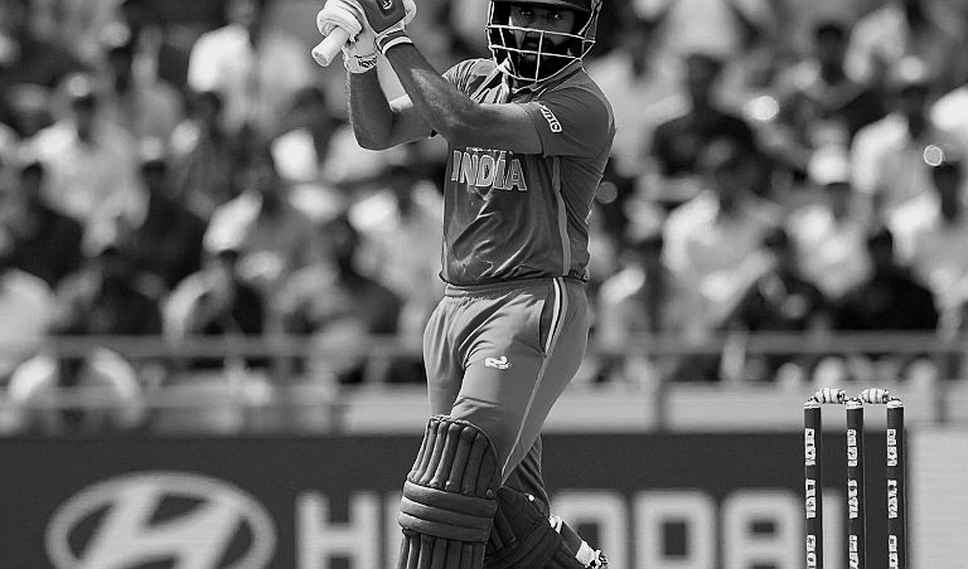
A structural gap shows through here, one Pakistan's white-ball system has carried for years. A T20 league award and a single T20I spell are doing the work in ODI valuation that an agent's noise does in the football transfer market — they inflate the price and blur the requirement. Player of the Tournament at PSL 2026 is an honour from a league where a four-over spell is weighed on a different scale from a ten-over ODI spell. Using that award as an ODI selection input, and then removing the same bowler mid-series, are two ends of one mispriced valuation.
Here is the part where I write down the terms on which I could be wrong. If Gaddafi Stadium's October surface genuinely grips for finger spin and not for wrist spin, the board's pitch logic holds and my structural argument collapses. If Sufiyan's ODI economy sits above 6.5 with an average past 40, this is a performance call and not a political one, and I withdraw the claim. And if Pakistan field two specialist spinners in the Lahore leg, the whole story falls apart, because spin was never being cut — only a name was swapped.
One more thing needs saying plainly, because I come from an Australian list-management frame and that habit is dangerous. In the AFL, cutting a player off a list is a market signal, because trade windows, salary caps and contract timelines are real forces. Pakistan's central-contract system has no such market. "Cover" there is an administrative category, not a price signal. I should have stated that disanalogy in the second paragraph rather than the footnotes — because where the analogy snaps is exactly where this story becomes legible.
I wrote a piece during the 2026 World Cup arguing that Germany had Kohli's problem: pretty numbers, no knockout punch. The lesson holds. Control and edge are not the same commodity. Pakistan showed control at Rawalpindi. What builds edge at Lahore is still undecided, and a spinner was sent home in the middle of that undecided stretch.
My read is blunt. Pakistan will play four seamers and one specialist spinner at Gaddafi Stadium, and Maaz Sadaqat will appear in the XI only if a niggle in the seam group actually materialises, not as planned rotation. If he plays, treat it as an injury bulletin, not a selection win. If Pakistan win in Lahore too, the board will say the pitch was read correctly. A win will validate the reading without touching the habit that made the reading necessary — that a T20 scorecard keeps writing ODI decisions. The question is not whether Sufiyan comes back. It is which format's numbers will price the next left-arm wrist spinner who takes eight wickets in four games.